Practical AI Integration: Moving Beyond the Hype into Sustainable Value
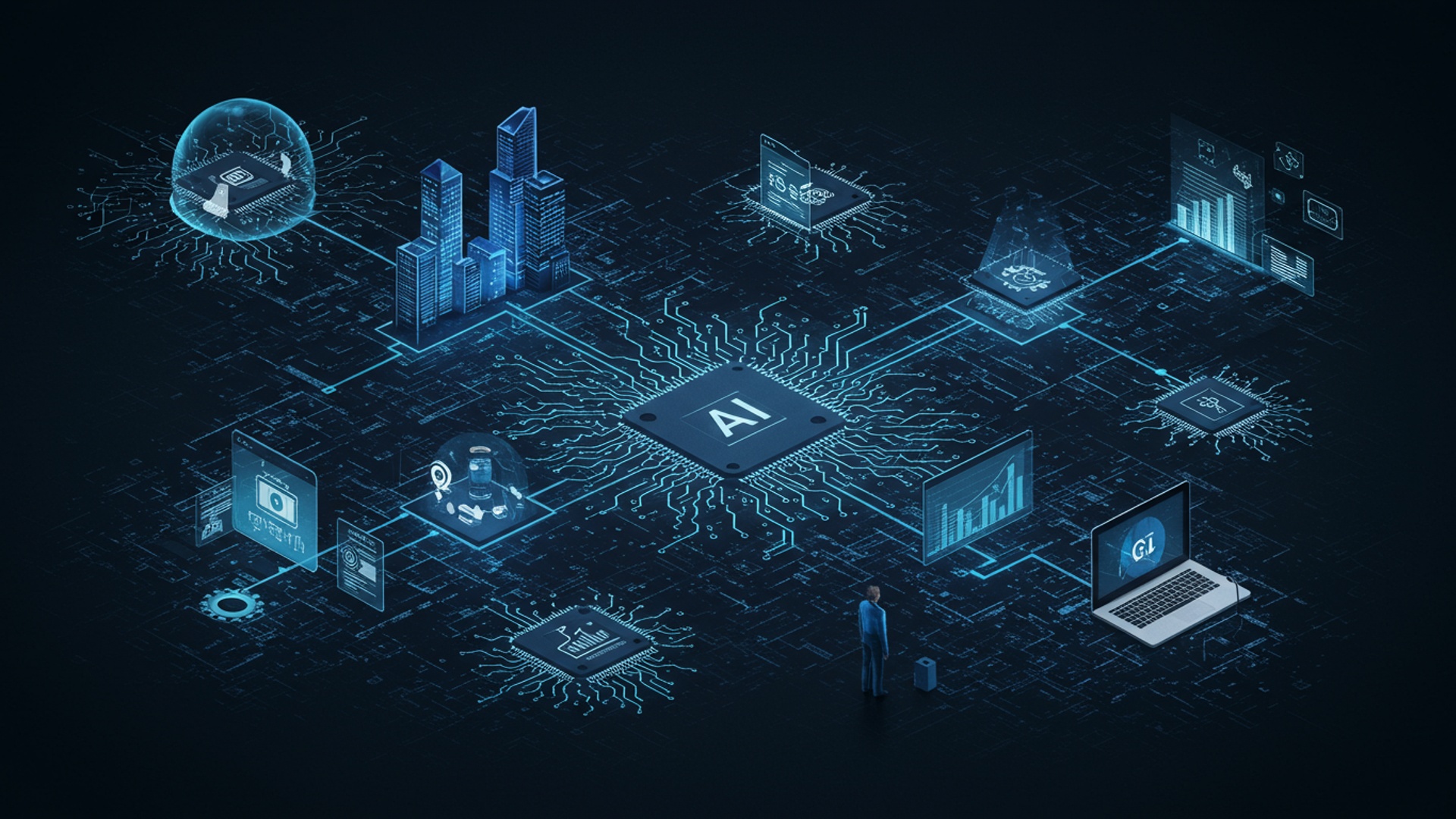
Artificial Intelligence (AI) has exited its trial phase. In 2026, the question is no longer "could AI help us?" but "how do we integrate it without breaking our current systems?" For many businesses, the first wave of AI adoption was chaotic—shoving ChatGPT-style wrappers into every corner of the UI. This led to "AI fatigue" among users. Today, Sarankar Developers focuses on Practical AI: the subtle, powerful integration of intelligence that solves specific, measurable business problems.
1. The RAG Model: Giving AI a Memory
The biggest limitation of base AI models is their knowledge cutoff and tendency to "hallucinate." For professional applications, this is unacceptable. The solution we implement for our clients is Retrieval-Augmented Generation (RAG).
Instead of relying on the AI's internal training, RAG allows the model to search your company's own secure database, PDF manuals, and CRM data in real-time before generating a response. This ensures that a customer support agent or an internal data tool provides 100% accurate, private, and up-to-date information. In 2026, RAG is the backbone of "Safe AI" for enterprise deployment.
2. Predictive Intelligence in User Flows
Practical AI isn't always a chatbot. In many of our most successful apps, the AI is invisible. We use predictive models to analyze user behavior in real-time. For example:
- Proactive Support: Identifying when a user is struggling with a form and offering a specific hint before they get frustrated.
- Dynamic Content: Re-ordering a menu based on the user's past habits and the current time of day.
- Fraud Detection: Flagging unusual transaction patterns in FinTech apps within milliseconds, far faster than traditional rule-based systems.
Our AI Integration Methodology:
- Problem Identification: We identify high-friction points in your current workflow where human processing is the bottleneck.
- Model Selection: Not every problem needs GPT-4. We match the model (local small-language models (SLMs) versus powerful cloud LLMs) to the cost and speed requirements of the task.
- Layered Integration: We build "guardrails" around the AI to ensure its output remains professional, safe, and aligned with your brand voice.
3. Local AI: Privacy and Performance
One of the breakout trends of 2026 is On-Device AI. With modern smartphone chips featuring dedicated "Neural Engines," we can now run specialized models directly on the user's phone. This is a game-changer for privacy-conscious industries like healthcare and law. Data never leaves the device, there is zero network latency, and the ongoing API costs are reduced to zero. We help companies transition their cloud-heavy AI features into lightweight, local-first powerhouses.
4. The Human-in-the-Loop Requirement
Despite the power of AI, human oversight remains essential for high-stakes decisions. Our AI architectures always include "Human-in-the-Loop" (HITL) checkpoints. Whether it's an AI drafting a legal contract or a system diagnosing hardware failure, we design these systems to augment human experts, not replace them. This builds trust with users and ensures the highest level of output quality.
Conclusion: Starting Your AI Journey
AI integration is not a "one-and-done" project; it is a continuous evolution. As models become smarter and more specialized, your application must be architecturally flexible enough to swap out components without a full rewrite. At Sarankar Developers, we build the "Intelligent Infrastructure" that allows your business to stay ahead of the curve.
Interested in an AI Audit for your business?
We help businesses identify the highest-ROI AI opportunities while ensuring security and scalability. Reach out to us at pratham@sarankar.com to start the conversation.

Written by Pratham Sarankar
CEO at Sarankar Developers. Flutter expert and monetization strategist with 4+ years of experience in building high-performance mobile applications.