The Future of Cross-Platform Apps in 2026
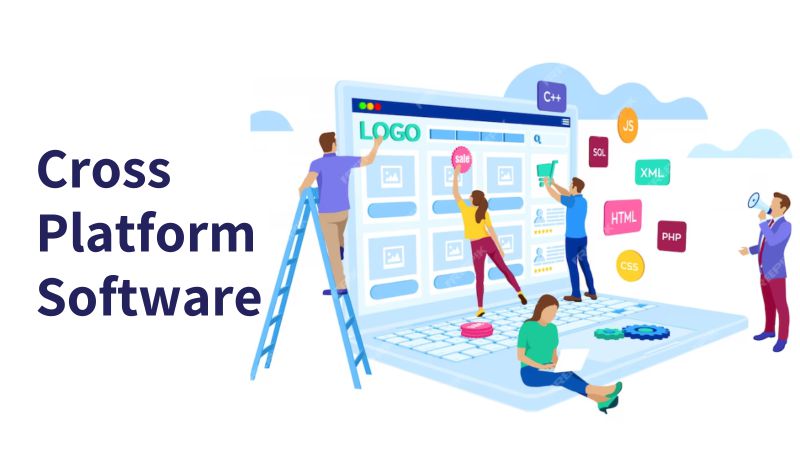
In 2026, the technology landscape has shifted dramatically. The long-standing debate between Native and Cross-Platform development has reached a new conclusion. Frameworks like Flutter and React Native are no longer just tools for startups building MVPs; they have become the standard for enterprise-grade mobile applications. This shift is driven by a combination of hardware advancement, sophisticated rendering pipelines, and a changing economic reality for digital-first businesses.
Technical Parity: Breaking the Performance Barrier
The primary driver for this shift is economic efficiency combined with technical parity. Mobile hardware has become so powerful that the traditional "performance gap" between native code (Swift/Kotlin) and cross-platform frameworks is virtually indistinguishable to the average user. Modern SoC (System on a Chip) designs from Apple and Qualcomm have optimized their execution for the types of instruction sets used by these frameworks. Companies can now reach both iOS and Android audiences with a single, high-performance codebase, reducing development time and costs by up to 40%.
The Role of Modern Rendering Engines: Impeller & Skia
Technical innovations like Google's Impeller rendering engine for Flutter have fundamentally changed the game. By pre-compiling shaders and optimizing GPU usage, modern frameworks are delivering consistent 60FPS (and even 120FPS on ProMotion displays) animations that were once only possible with native code. Impeller, in particular, addresses the "jank" issues that previously plagued many cross-platform apps during initial animations. This level of fluidity is essential for premium brand experiences and high-end gaming interfaces.
Enterprise Adoption and Ecosystem Growth
We've seen a massive influx of enterprise-level plugins and support. Major financial institutions, e-commerce giants, and healthcare providers have moved their flagship apps to cross-platform stacks. This has led to a robust ecosystem of third-party libraries for everything from complex biometric authentication to advanced AR/VR integrations. The availability of high-quality, maintained packages means developers spend less time reinventing the wheel and more time focusing on unique business logic.
AI-Assisted Cross-Platform Development
In 2026, AI is also playing a crucial role. Modern IDEs integrated with specialized LLMs can now automatically bridge the gap between cross-platform code and platform-specific APIs when necessary. If a developer needs a highly specific iOS feature that isn't yet covered by a plugin, AI can generate the necessary Swift and Dart boilerplate in seconds, maintaining the speed of development without sacrificing native capability.
Strategic Scalability and Agility
Choosing a cross-platform stack today isn't just about saving money; it's about agility. In a world where market trends change weekly, being able to push a feature to all platforms simultaneously is a massive competitive advantage. Synchronized release cycles mean marketing teams can launch campaigns without waiting for "one more week for the Android build." At Sarankar Developers, we focus on architecting these applications so they remain maintainable for years to come, ensuring your investment grows with your business.
Conclusion: A Unified Future
As we move further into 2026, the distinction between "native" and "cross-platform" will continue to blur. The focus has shifted from *how* the app is built to *the value it provides* to the end-user. For businesses, this means better apps, delivered faster, with a more consistent experience across all devices. Our team continues to experiment with the cutting edge of these technologies to ensure our clients stay ahead of the curve.
Ready to revolutionize your mobile presence?
Our experts at Sarankar Developers specialize in creating premium cross-platform experiences. Reach out to us at pratham@sarankar.com for a free consultation.

Written by Pratham Sarankar
CEO at Sarankar Developers. Flutter expert and monetization strategist with 4+ years of experience in building high-performance mobile applications.